What is an Acoustic Panel and How Does It Work?
Acoustic Panels are essential for sound management in various environments. These panels absorb sound waves to reduce noise and improve acoustics. Dr. Jane Thompson, an expert in acoustic engineering, states, "An Acoustic Panel is not just about soundproofing; it shapes the experience within a space." This highlights the panel's role in creating more comfortable and enjoyable environments.
In concert halls, offices, and studio settings, acoustic panels enhance clarity and reduce echoes. They come in various materials, shapes, and designs, allowing customization for different spaces. However, many people overlook their importance, resulting in poor sound quality. Installation can be tricky, and placement requires thoughtful consideration.
Choosing the right acoustic panel can feel overwhelming. It's not simply about aesthetics; sound dynamics play a key role. Users should reflect on their specific needs and environment. Balancing aesthetics with functionality requires careful thought and sometimes expert input. Understanding how an Acoustic Panel works will lead to better sound experiences and improved environments.
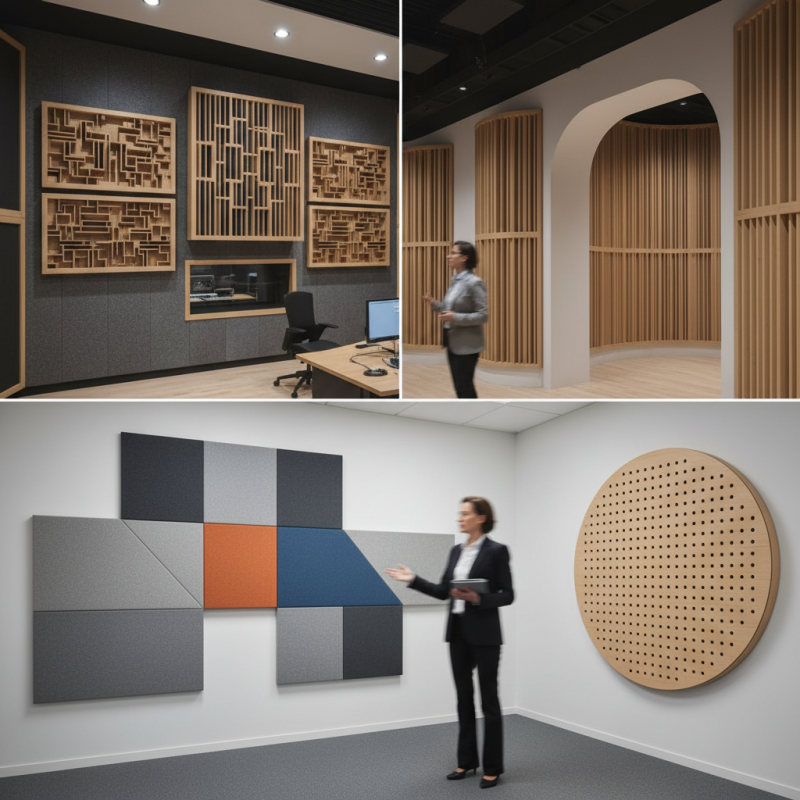
What is an Acoustic Panel?
An acoustic panel is a sound-absorbing material designed to reduce noise and echoes in various environments. These panels are commonly used in recording studios, offices, and public spaces. They are made from materials like foam, fabric, or wood, which help to dampen sound waves. According to a report by the Acoustical Society of America, effective sound absorption can enhance comfort and productivity in working environments.
Acoustic panels work by absorbing sound energy. When sound waves hit the panel, they are converted into a small amount of heat, minimizing noise reflection. This is particularly valuable in spaces where clear communication is necessary. Studies indicate that a reduction of 10 dB can improve speech intelligibility significantly. However, not all acoustic panels are the same; some may not meet the specific needs of a space.
Tips: Choose panels based on your room size. Larger rooms might need thicker panels. Check the NRC (Noise Reduction Coefficient) ratings on products. A higher rating indicates better sound absorption. Sometimes, panels can be mistaken for mere decor, but their real function is crucial. Reflect on whether the panels you choose genuinely meet your acoustic needs, or if they are just visually appealing.
Acoustic Panel Effectiveness by Frequency Range
The Composition of Acoustic Panels
Acoustic panels are designed to manage sound within a space. Understanding their composition is essential for effective use. Typically, these panels are made from materials such as fiberglass, foam, or recycled cotton. Each material has specific sound-absorbing qualities. For instance, fiberglass panels can achieve noise reduction coefficients (NRC) of up to 0.95, indicating high effectiveness in dampening sound.
The construction density and thickness of panels significantly affect their acoustic performance. Thicker panels tend to absorb lower frequencies better, while thinner panels focus on high frequencies. Research shows that using a combination of various materials can optimize sound absorption in commercial spaces like offices and studios. Incorporating a mix can lead to a balanced sound environment.
**Tips:** When selecting acoustic panels, consider the room's primary functions. If a space is used for music production, prioritize panels with better low-frequency absorption. For office environments, panels with a balanced NRC across frequencies can enhance clarity in conversations. Ensure panels fit well with the room design to maintain aesthetics while improving sound.
How Acoustic Panels Absorb Sound Waves
Acoustic panels play a vital role in sound management. They absorb sound waves, reducing noise pollution and improving audio quality in various environments. Research shows that up to 70% of sound can be reduced by installing panels made of high-density foam or mineral wool. These materials trap sound energy, preventing it from bouncing off hard surfaces.
When sound waves hit an acoustic panel, they penetrate the surface and are converted into a small amount of heat. This process dampens the sound, minimizing reflection and echo. Studies indicate that spaces with sound-absorbing panels can decrease reverberation time by more than 50%. This is significant for recording studios, theaters, and even busy offices.
However, not all acoustic panels are equal. The absorption coefficient is crucial. Panels must be selected based on frequency response, as different materials absorb sound at varying rates. Some might struggle with lower frequencies. Additionally, installation can be tricky. Proper placement is essential to maximize the effectiveness of the panels. Inadequate arrangements may lead to patchy sound absorption, leaving some areas acoustically dead while others remain noisy. Each space requires a tailored approach for optimal results.
What is an Acoustic Panel and How Does It Work?
| Dimension | Description |
| Material | Acoustic panels are made from a variety of materials including fiberglass, foam, mineral wool, and fabric wrapped around a sound-absorbing core. |
| Function | They work by converting sound energy into heat through friction, effectively reducing sound reflection and reverberation in a space. |
| Installation | Acoustic panels can be mounted on walls or ceilings, and are often installed in places like recording studios, theaters, or offices to improve sound quality. |
| Sizes | Available in various sizes and thicknesses, commonly ranging from 1' x 1' to 2' x 4', and thicknesses from 1 inch to 4 inches. |
| Applications | Used in residential, commercial, and industrial settings for sound control and noise reduction. |
| Cost | Prices vary widely based on material and design; typical range from $10 to $60 per panel. |
Applications of Acoustic Panels in Different Environments
Acoustic panels are versatile solutions used in various environments. In offices, they reduce noise and create a productive workspace. Employees can work better without constant distractions. Soft materials absorb sound waves, making conversations clearer and ambient noise less intrusive. This leads to improved focus and collaboration among team members.
In educational settings, acoustic panels enhance learning. Classrooms echo with voices, making it hard to concentrate. Installing these panels can significantly decrease reverberation time. Students can hear their teachers more clearly. Active participation increases when the auditory environment is optimized.
Moreover, acoustic panels are also popular in entertainment venues. Concert halls and theaters rely on them for sound quality. They ensure that performances are immersive and enjoyable. However, some venues struggle with the placement of these panels. The balance between aesthetics and acoustic efficiency can be challenging. Finding the right materials and positioning is crucial for the best results.
Benefits of Using Acoustic Panels in Sound Control
Acoustic panels are essential tools for effective sound control. They absorb sound waves and reduce echo. This technology is crucial in spaces like studios, offices, and homes. When placed strategically on walls and ceilings, they create a quieter environment. You can enjoy conversations without distractions.
The benefits of using acoustic panels extend to improved focus and productivity. In workplaces, they help minimize noise distractions. Employees can concentrate better and work efficiently. In homes, they enhance communication quality. Families can interact without shouting over background noise.
However, not all acoustic panels are perfect. Some may not match the aesthetic of your space. Reviews may vary on their effectiveness based on installation and room size. It’s essential to reflect on what you need. Adjustments might be necessary to achieve the desired results.