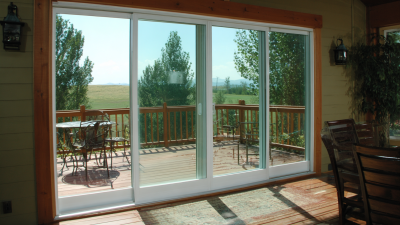
Best Patio Windows and Doors for Your Home Design?
When designing your home, selecting the perfect patio windows and doors is essential. These features not only enhance aesthetic appeal but also improve functionality and energy efficiency. With various styles available, from sliding doors to double-hung windows, the choices can feel overwhelming. The right patio windows and doors can transform your living space, creating a seamless connection between indoor and outdoor areas.
Consider the materials and designs that suit your home’s architecture. Each option offers different advantages. For instance, vinyl windows are durable and low maintenance. On the other hand, wooden doors provide warmth and charm. Think about the climate you live in as well. Choosing energy-efficient patio windows and doors can significantly lower your utility bills while maximizing comfort.
It's important to reflect on your lifestyle needs as well. If you love entertaining, wide-opening sliding doors could be ideal. However, if security is a concern, well-fitted locking mechanisms are a must. Take your time and weigh your options carefully. In the end, investing in quality patio windows and doors will enhance your home's beauty and functionality for years to come.
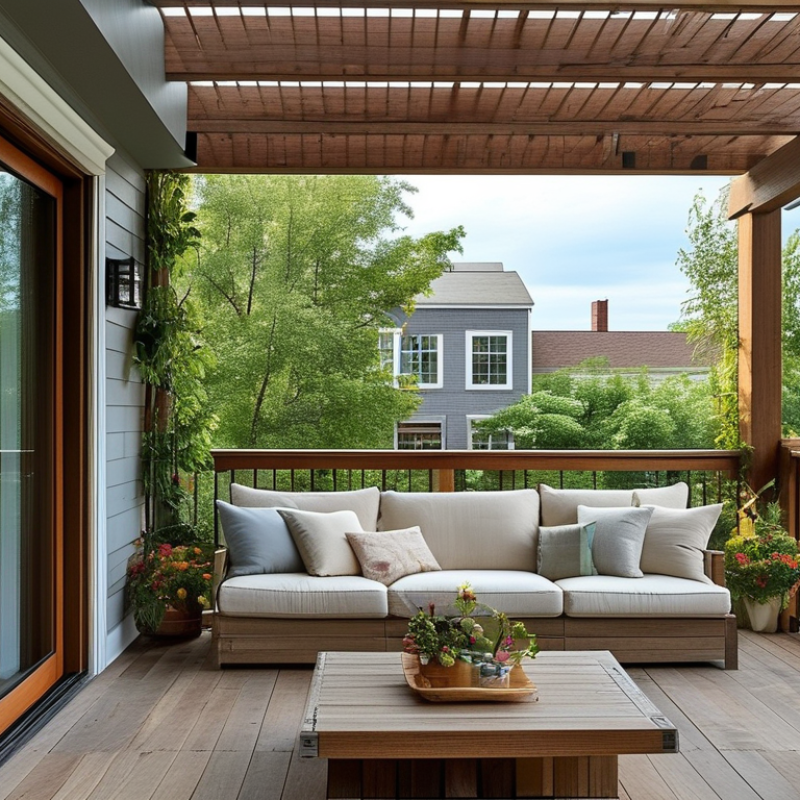
Best Types of Patio Windows Based on Energy Efficiency Ratings
Choosing patio windows and doors involves considering energy efficiency ratings. Energy-efficient windows can significantly lower energy bills. According to the Department of Energy, heat gain and loss through windows are responsible for 25% to 30% of residential heating and cooling energy use. Selecting high-performance windows can mitigate this impact.
The National Fenestration Rating Council (NFRC) provides comprehensive energy performance ratings. Look for windows with a low U-factor and high solar heat gain coefficient (SHGC). U-factors measure insulation effectiveness, while SHGC measures solar radiation that enters your home. Windows with a U-factor of 0.30 or lower are typically more efficient. SHGC ratings close to 0.25 are ideal for regions with intense sunlight.
Even with modern designs, some homeowners overlook the importance of proper installation. Poorly sealed windows can lead to drafts and inefficiencies, counteracting the benefits of energy-efficient products. Regular maintenance is crucial for long-term performance. Consider how local climate influences the type of windows you choose. Your ultimate goal should be comfort while minimizing energy consumption.
Comparative Analysis of Patio Door Materials and Their Durability
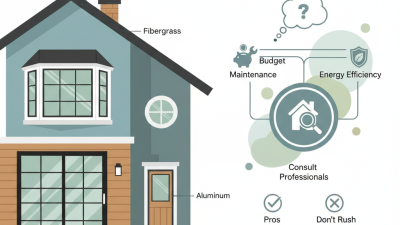
When selecting patio doors, material choice plays a crucial role in durability and performance. According to the American Architectural Manufacturers Association, wood, vinyl, aluminum, and fiberglass are the most common materials used. Each material has distinct qualities that affect longevity and maintenance requirements.
Wood offers a classic appeal but often requires regular upkeep. Without treatment, it may warp or suffer from moisture damage. Vinyl doors stand out for their energy efficiency and low maintenance. They are resistant to fading, peeling, and cracking. Research shows that vinyl can have a lifespan of 20 years or more with proper care.
Aluminum doors are lightweight but can be prone to denting and oxidation. They typically last longer in coastal areas where salt can accelerate wear.
Fiberglass is gaining popularity due to its strength and resistance to temperature fluctuations. It can mimic wood designs while providing enhanced durability. Studies indicate that fiberglass can outperform wood and vinyl in harsh climates, making it suitable for diverse environments. While examining these options, consider your specific needs and local weather conditions. Each patio door material presents its strengths and weaknesses, which are essential to review before making a choice.
Integration of Patio Windows and Doors with Modern Home Design Trends
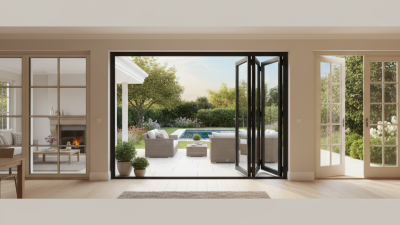
Incorporating patio windows and doors into modern home design can greatly enhance both aesthetics and functionality. Large glass panels allow natural light to flood in, creating a vibrant living space. They blur the lines between indoors and outdoors, giving a sense of openness. Many homeowners are drawn to the idea of seamless transitions to their patios or gardens. However, not all designs achieve this goal effectively.
Consider the alignment and scale of the patio door with surrounding architectural features. Oversized doors may overwhelm a small space, while too narrow options can feel unwelcoming. The choice of materials also plays a crucial role. Sleek frames can contribute to a contemporary look, yet they may lack the warmth of traditional wooden options. Balance is key. Sliding doors often provide convenience but can limit your view if not placed thoughtfully.
Moreover, energy efficiency should never be overlooked. Not all glass is created equal. Investing in quality insulated windows can help regulate temperatures. Homeowners need to weigh aesthetic desires against practical concerns. Striking the right balance may require some trial and error, but the end result is worth the effort. Selecting the right patio windows and doors can transform a home into a peaceful retreat, harmonized with nature outside.
Best Patio Windows and Doors for Modern Home Design
Impact of Patio Openings on Indoor Natural Light and Ventilation
Patio openings play a crucial role in enhancing natural light and ventilation indoors. Large glass doors or windows bring the beauty of the outdoors inside. They allow sunlight to flood living spaces, creating a warm and inviting atmosphere. The right design can also improve airflow, making homes feel fresher and more breathable. Natural light has been shown to boost mood and well-being, so consider how it flows through your space.
However, not all patio designs function equally. Some may let in too much heat during summer, making your home uncomfortable. It’s essential to think about shading options like overhangs or pergolas. These can protect against the harsh sun while maintaining light flow. Also, consider privacy. Floor-to-ceiling windows can be beautiful but may expose your home to prying eyes. Finding the right balance between openness and privacy is vital.
The materials and styles of patio openings also affect their performance. For instance, poor-quality frames can lead to drafts. This could impact your home’s energy efficiency. Investing in proper insulation and seals is necessary for durability and comfort. Reflect on your choices and how they serve both functionality and aesthetics in your home. Each decision counts toward creating the ideal indoor environment.
Cost-Effectiveness of Different Patio Window and Door Installations
When considering patio windows and doors, cost-effectiveness is a critical aspect. The installation of energy-efficient options can significantly impact your long-term savings. According to the U.S. Department of Energy, proper insulation and high-performance windows can reduce energy bills by up to 25%. This means an initial investment may pay off over time as you lower heating and cooling costs.
However, the upfront cost of these installations can be daunting. Estimates from industry reports suggest homeowners can expect to spend between $300 to $1,500 per window, depending on the material and features. While vinyl is often the most budget-friendly, wood and fiberglass options provide better insulation but at a higher price point. This balance between immediate expense and future savings requires careful consideration.
It's also important to reflect on the maintenance and lifespan of the materials chosen. Vinyl may require less upkeep than wood, which can rot over time. Industry statistics indicate that well-maintained wooden windows can last over 30 years, while vinyl might average around 20 years. Investing in quality can mitigate future replacements. Ultimately, homeowners must weigh the initial costs against the benefits and longevity of materials to make informed decisions.
Best Patio Windows and Doors for Your Home Design
| Type |
Material |
Average Cost ($) |
Energy Efficiency (Rating) |
Durability (years) |
Maintenance |
| Sliding Door |
Vinyl |
1500 |
Energy Star Rated |
20 |
Low |
| French Door |
Wood |
2500 |
Highly Energy Efficient |
30 |
Medium |
| Bi-Fold Door |
Aluminum |
4000 |
Energy Star Rated |
25 |
Medium |
| Sliding Window |
Fiberglass |
800 |
Energy Star Rated |
20 |
Low |
| Casement Window |
Wood |
1200 |
Highly Energy Efficient |
30 |
Medium |