What Are the Best Single Pane Windows in 2026?
What are the best single pane windows in 2026? The answer depends on what “best” means for your home. A historic wood sash may be worth restoring, while a cracked frame or persistent draft can make replacement more sensible. Climate, frame condition, glass availability, and installation quality all matter. There is no universal winner.
Building-science educator Allison A. Bailes often uses a useful reminder: “A house is a system.” That idea matters here. A window affects comfort, condensation, noise, and heating or cooling demand, but it works alongside insulation, air sealing, and ventilation. Look beyond the glass. A sturdy frame, tight weatherstripping, and careful installation can make a noticeable difference. Still, single-pane glazing generally insulates less than modern multi-pane options. That trade-off deserves an honest look.
This guide compares practical choices, from replacement glass and restored sash windows to interior storm panels. It also considers comfort, maintenance, appearance, and likely performance—not just price tags or product claims. Check the frame closely. Feel for cold air near the sash on a windy day, and look for peeling paint, soft wood, or condensation patterns. These clues help narrow the options, though they cannot replace a qualified inspection. One caution: a quick online ranking cannot account for your home’s exact exposure or condition. The best choice may be imperfect, but it should fit the building and your priorities.
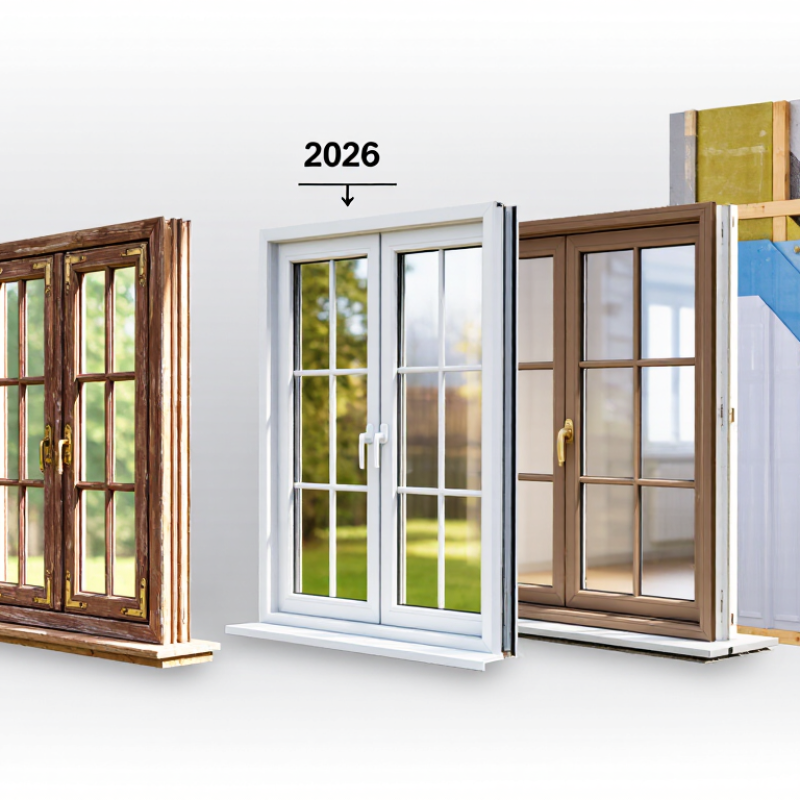
Single-Pane Windows: Definition, Structure, and Modern Uses
What Are the Best Single Pane Windows in 2026?
Single-pane windows contain one sheet of glass inside a frame. Unlike insulated units, they have no sealed air space between two panes. Their structure is simple: glass, glazing material, frame, and hardware. This design allows more heat and sound to pass through the window. In winter, the inner surface may feel cold. Condensation can also appear on the glass.
Still, single-pane windows have practical modern uses. They suit detached sheds, workshops, garages, interior partitions, and carefully protected historic buildings. Their lighter weight can help when existing frames cannot support thicker insulated units. Clear glass also provides an authentic appearance in older properties. I have found that frame condition matters as much as glass choice. A loose sash can reduce comfort, even when the glass is clean and intact.
In 2026, the best single-pane window is not automatically the newest model. It should match the building’s climate, ventilation, security needs, and renovation rules. Low-emissivity coatings, storm panels, tight weatherstripping, and insulated curtains can improve performance without replacing the original glass. Results vary. A storm panel may reduce drafts, but poor installation can trap moisture around the frame. Professional assessment is valuable, especially where condensation or lead-based paint may be present. Single-pane windows remain useful, but their limits deserve honest attention.
Key Factors for Comparing Single-Pane Window Performance in 2026
In 2026, the best single-pane window depends on the building, climate, and intended use. Single-pane glass usually loses heat faster than insulated glazing, so performance claims need careful comparison. Check the U-factor, which indicates heat transfer through the window. Lower values generally mean better insulation. Also review solar heat gain and visible light transmission. A bright room can still become uncomfortably hot.
Frame quality matters as much as glass. Inspect the frame for warping, weak joints, and damaged seals. Test the sash by opening and closing it several times. Notice drafts near the corners. Air leakage can undermine an otherwise suitable window. In colder regions, condensation resistance deserves attention, especially around metal frames. I would not judge performance from appearance alone. A clean, modern profile may still perform poorly.
Tips: Compare published test data, not just sales language. Ask for the complete window rating, including the frame. Consider wind exposure, rainfall, and daily sunlight. For a quiet bedroom, also check sound transmission data. Installation remains critical; even a well-tested window can leak through an uneven opening. If the room is rarely used, a lower-cost option may be reasonable, but that choice should reflect comfort expectations. My own evaluation would include a winter draft check and a summer heat check. That extra observation often reveals what laboratory figures miss.
Best Single-Pane Window Materials, Styles, and Frame Options
In 2026, the best single-pane window depends on climate, use, and repair priorities. Single glass feels simple, but it transfers outdoor heat quickly. In mild regions, clear float glass offers bright views and low replacement cost. Tempered glass suits bathrooms, doors, and low windows because it breaks into smaller pieces. Laminated glass adds sound reduction and stays together after impact. It costs more, though. I would not choose single glazing for a cold bedroom without exterior shading or interior storm panels.
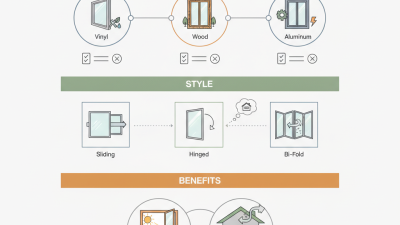
Frame material changes comfort and maintenance. Wood frames provide warmth and suit older architecture, but exposed paint needs regular inspection. Vinyl frames resist moisture and usually require less upkeep. Aluminum frames look slim and modern, yet metal conducts heat unless a thermal break is included. Fiberglass frames remain stable through seasonal movement, although repair options vary. Casement styles seal tightly when closed. Single-hung windows are often simpler to operate and replace. Fixed panes deliver the most daylight, but they provide no ventilation.
During site checks, I measure air leakage, sill condition, and afternoon sun before recommending a style. A beautiful frame cannot correct a damaged opening. Check local energy and safety requirements before ordering, especially near floors or sleeping areas. I have seen owners focus on glass and overlook flashing; that mistake caused staining and drafts. My preference is not absolute. A modest clear pane with a sound frame can outperform an expensive window installed carelessly.
Energy Efficiency, Comfort, Safety, and Maintenance Considerations
In 2026, the best single-pane window is not always the newest glass. Performance depends on the frame, installation, shading, and local climate. A well-fitted single pane with a tight secondary panel can outperform a poorly installed replacement window. I have seen cold air enter through a two-millimeter gap around the sash. The glass was not the only problem.
Energy efficiency starts with reducing drafts. Use compressible weather-stripping, sealed joints, and a properly fitted storm panel. Low-emissivity secondary glazing can reduce radiant heat loss while preserving the original window’s appearance. However, it may create condensation if indoor humidity stays high. Check the glass on cold mornings. Water at the edge signals a ventilation or temperature problem, not an automatic product failure.
Comfort also includes sound, surface temperature, and usable daylight. Laminated glass can improve safety and reduce noise, but its frame must support the added weight. Tempered glass is useful near doors and low openings, where impact risk is higher. Inspect locks, putty, and drainage channels each year. Small defects grow quickly. My early advice focused too heavily on insulation. I now consider maintenance equally important, because a high-performing window becomes disappointing when seals loosen or cleaning becomes difficult. Measure twice.
Lower U-factor values indicate better resistance to heat flow and generally improved energy efficiency and comfort. Clear single-pane glass has the weakest thermal performance, while a low-emissivity storm layer can substantially reduce heat loss without replacing the original pane. Laminated glass improves safety and noise control, but its thermal performance is similar to standard single glazing. Actual results vary with frame material, installation quality, glass size, climate, and air leakage.
How to Choose the Right Single-Pane Windows for Your Property
Choosing single-pane windows starts with the property, not a trend. In a mild climate, a well-maintained single pane may suit a garage, porch, or heritage room. In a drafty bedroom, it can leave the glass cold and make heating less comfortable. Check local energy and safety requirements before ordering.
Inspect the existing frame for soft wood, loose joints, peeling paint, or water stains. These clues matter: a new sash will not fix a damaged opening. Measure each window separately, including the frame depth, and note whether it slides, swings, or stays fixed. Measure twice. Small differences are common in older homes.
Think about daily use. A street-facing room may benefit more from noise reduction and secure locks than from a decorative grille. Ask for the glass thickness, frame material, hardware details, and written warranty; compare these with the room’s needs. For a sunny window, consider how glare and heat affect the space during the afternoon. Not always an easy call. Single-pane windows can preserve a property’s original look, but comfort trade-offs deserve an honest check before purchase.