Best Sliding Glass Doors for Home Design and Energy Efficiency?
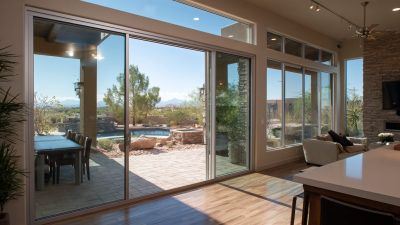
Sliding glass doors play a crucial role in enhancing both home design and energy efficiency. According to the latest report by the American Architectural Manufacturers Association, nearly 70% of homeowners consider energy efficiency as a top priority when selecting sliding glass doors. This significant trend highlights a growing awareness of sustainability in home improvement.
Expert architect Jane Doe emphasizes the impact of quality sliding glass doors. She states, "Selecting the right sliding glass doors can transform your living space while reducing energy costs significantly." These doors not only provide aesthetic appeal but also contribute to better insulation and lower utility bills, making them a worthy investment for any homeowner.
However, not all sliding glass doors are equal. Many options in the market fall short of expectations. Homeowners must consider factors like frame material, glazing options, and installation quality. Educating oneself about these aspects is vital to avoid common pitfalls. With careful selection, you can achieve the perfect balance of design and functionality.
Types of Sliding Glass Doors for Home Design
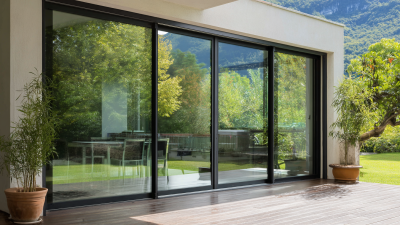
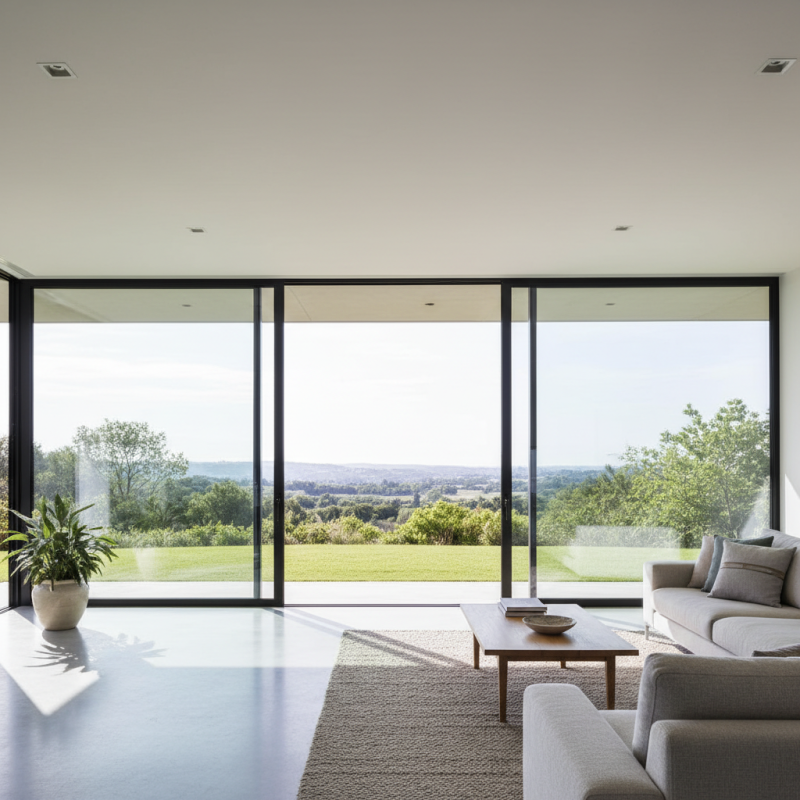
Sliding glass doors come in various types, each offering unique benefits for home design and energy efficiency. A common choice is the traditional sliding door. These doors slide horizontally on a track and can create a seamless transition from indoor to outdoor spaces. They are ideal for small spaces as they do not require extra room to swing open. However, this design can be less energy-efficient if not properly sealed.
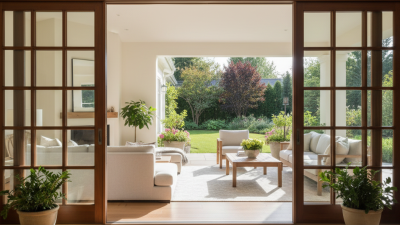
Another popular option is the bi-fold sliding door. This style features panels that fold back to open up completely. They can provide an expansive view and maximum natural light. While they enhance aesthetics, installation can be complex and may require more maintenance over time. Homeowners must consider both visuals and functionality when choosing this style.
For those seeking enhanced efficiency, multi-slide doors offer numerous panels that can stack or slide to one side. They create a dramatic opening and can improve ventilation. However, they can be costly and may require professional installation. Reflecting on personal needs is essential when selecting the right sliding glass door style, as each type presents different advantages and challenges.
Key Features of Energy-Efficient Sliding Glass Doors
Energy-efficient sliding glass doors are essential for modern home design. They enhance aesthetics while improving energy performance. Recent studies show that homes with energy-efficient doors can reduce heating and cooling costs by up to 25%. This significant savings can lead to lower utility bills and a smaller carbon footprint.
Key features to look for include double or triple-glazed glass. These options trap air between panes, providing excellent insulation. The National Fenestration Rating Council (NFRC) emphasizes the importance of low U-values. A lower U-value indicates better insulation. Additionally, look for doors with Low-E coatings. These coatings reflect heat back into the home, making them ideal for energy savings.
Homeowners often overlook frame materials. Vinyl and fiberglass frames tend to offer better insulation than aluminum. Proper weather stripping is crucial as well. Even a small gap can compromise energy efficiency. Regular maintenance of seals and tracks is necessary to ensure optimal performance. Energy efficiency is not just about the product; it's also about installation and upkeep. Balancing aesthetics and functionality remains a challenge for many homeowners.
Materials Used in Sliding Glass Door Construction
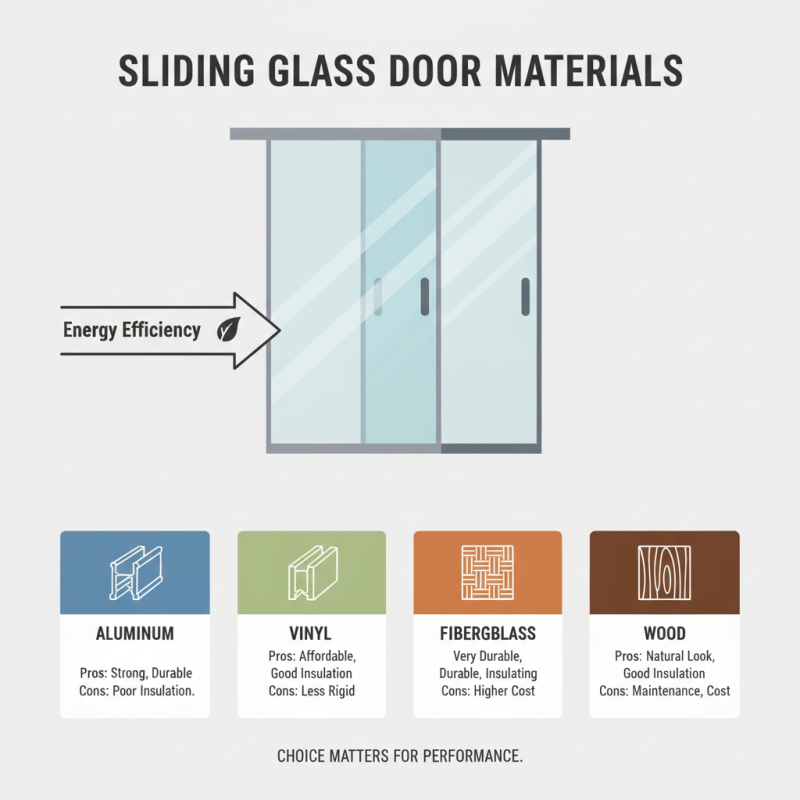
Sliding glass doors are both functional and stylish. The materials used in their construction significantly impact their energy efficiency. Common materials include aluminum, vinyl, fiberglass, and wood. Each offers unique advantages and drawbacks.
Aluminum is popular for its strength and durability. However, it is a poor insulator. Reports indicate that aluminum frames can conduct heat and cold, which may lead to higher energy bills. Vinyl, on the other hand, provides better insulation. A 2020 study by the National Fenestration Rating Council showed that vinyl frames can reduce energy costs by up to 30%. Yet, vinyl options may not match the aesthetic appeal of wood.
Wood is another viable choice, offering warmth and elegance. However, it requires regular maintenance. Water damage and rot can be issues if not cared for properly. Fiberglass frames present a solid alternative, being both durable and energy-efficient. They resist warping unlike wood, and studies suggest around 50% better thermal performance than aluminum. The trade-offs among these materials can be complex, and each homeowner's choice should reflect both style and energy considerations.
Factors to Consider When Choosing Sliding Glass Doors
When selecting sliding glass doors for your home, several key factors come into play.
Energy efficiency is often a top priority.
Look for doors with good insulation properties. Double or triple-pane glass can significantly reduce heating and cooling costs.
Low-emissivity (low-e) coatings are another great option to consider, as they help reflect heat while allowing light to enter.
Aesthetics also matter. Choose a style that complements your home’s overall design.
Frame materials like vinyl, aluminum, or wood each offer different benefits.
Vinyl is maintenance-free, while wood provides a classic look. Additionally, the size of the doors impacts both light and the sense of space in a room.
Security features should not be overlooked.
Ensure the locks are robust and reliable.
Consider doors with reinforced frames, especially if located in vulnerable areas. Despite all these enhancements, challenges may arise.
Installation is crucial; improper setup can lead to leaks or drafts. Always consult a professional for guidance to avoid potential pitfalls.
Maintenance Tips for Long-lasting Sliding Glass Doors
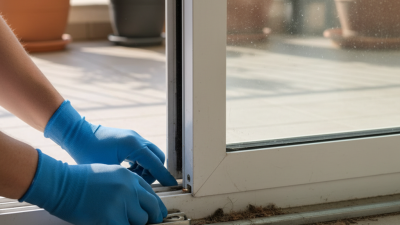
Maintaining sliding glass doors is essential for both aesthetics and energy efficiency. Regular upkeep can extend their lifespan significantly. Clean the tracks often. Dust and debris can accumulate and affect the door's functionality. This task is simple but often overlooked. A quick wipe with a damp cloth can make a huge difference.
Another tip is to check the weather seals. Over time, these can wear out and lead to air leaks. Inspect them for cracks or wear. Replacing seals is a straightforward process. It not only enhances energy efficiency but also protects against moisture intrusion.
Lubricating the rollers is crucial too. Use a silicone-based lubricant for smooth operation. Apply it sparingly to avoid attracting dirt. Regular lubrication helps prevent sticking and ensures longevity. With these tips, your sliding glass doors can remain functional and appealing for years.
Energy Efficiency Rating of Sliding Glass Doors