How to Choose the Best Welded Pipe for Your Project?
Choosing the right Welded Pipe is essential for any construction or manufacturing project. Welded pipes are a popular choice due to their versatility and cost-effectiveness. According to a recent report by the World Steel Association, the global welded pipe market is expected to grow significantly, driven by the increasing demand in the oil and gas sector.
When selecting welded pipes, consider specific factors such as material type, diameter, and wall thickness. These elements greatly influence performance and suitability. A study from MarketsandMarkets notes that inadequate pipe selection may lead to project delays or failures, emphasizing the importance of informed choices.
Quality assurance is another critical aspect. Not all welded pipes are created equal. Variations in manufacturing processes can lead to weaknesses. Inspecting certifications and testing reports can provide insight into a pipe's reliability. In some cases, overlooking these details may result in costly mistakes. Thus, thorough research coupled with expert advice is vital for a successful project outcome.
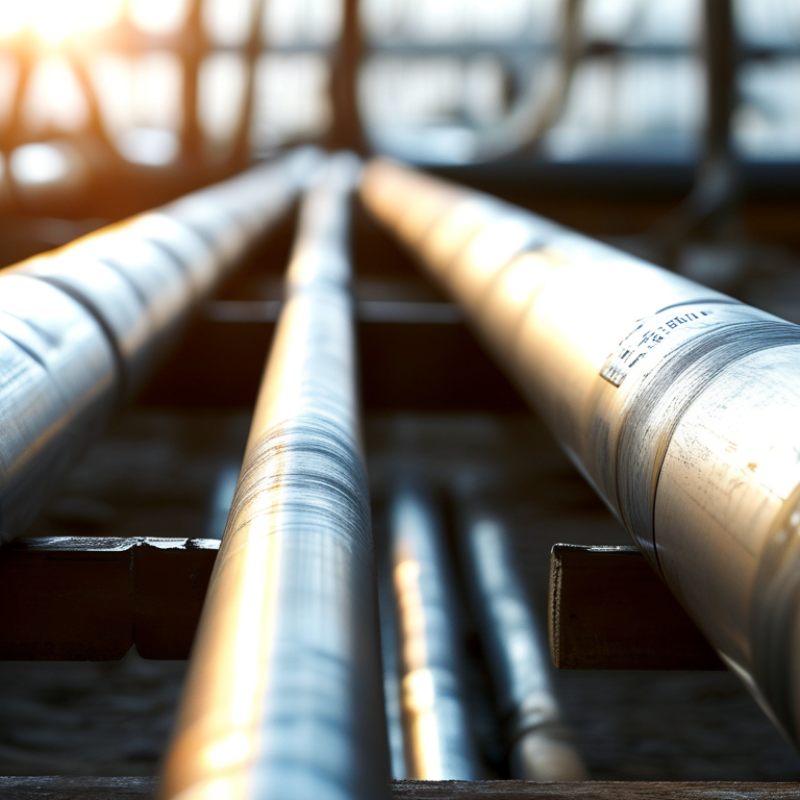
Understanding the Different Types of Welded Pipes Available
When selecting welded pipes for your project, understanding the various types is crucial. Welded pipes are commonly made from different materials, including steel, stainless steel, and carbon steel. According to industry reports, the global welded pipe market is expected to reach approximately $85 billion by 2026, driven by infrastructure demands. Consider the specific requirements of your project, such as durability and corrosion resistance, to make an informed choice.
A key factor in selecting the right welded pipe is its intended application. For high-pressure applications, seamless pipes may be more suitable. However, for structural integrity in construction, rectangular and square welded pipes often excel. Material properties and specifications should meet or exceed industry standards, such as ASTM or ASME regulations.
In addition, evaluate the weld quality. Poor welding can lead to failure during operation. Look for pipes that pass rigorous quality inspections to ensure long-term reliability. Not every vendor provides this assurance, so due diligence is essential.
Take time to review the manufacturer’s certifications and experience. The quality of welded pipes can significantly affect the project's outcome. Decision-makers must weigh their options carefully. Always consult with a professional engineer for their insight. Their expertise can guide in choosing the best welded pipe tailored to the project’s needs.
Evaluating Material Options for Welded Pipes
When evaluating material options for welded pipes, start with steel. It's strong and durable. Many projects rely on steel due to its reliability. However, it can be prone to corrosion. Consider whether your project requires additional protective coatings. Stainless steel is another viable option. Its resistance to rust makes it suitable for various environments. Projects in wet or chemical-heavy settings benefit significantly from this choice.
Another factor to consider is the thickness of the pipe. Thicker pipes can handle more pressure, making them ideal for high-stress applications. Conversely, thinner pipes weigh less and are easier to handle. Remember that each choice impacts the overall cost and installation process. Reflect on your project's specific requirements.
Lastly, think about the internal diameter. It affects the flow rate of fluids. If the flow is too restricted, it may lead to inefficiencies. Take time to analyze the needs before making a selection. Skipping this step can lead to costly mistakes later on. Proper evaluation leads to successful outcomes.
Assessing Pipe Sizes and Specifications for Your Project
Choosing the right welded pipe for your project starts with understanding pipe sizes and specifications. The diameter, wall thickness, and length of the pipe matter greatly. These dimensions affect the pipe's strength and suitability for your specific application. It's important to assess what you need before making a decision.
Selecting the correct diameter ensures your system operates efficiently. A pipe too small may restrict flow, while one too large can be wasteful. Wall thickness comes next; it influences durability and pressure resistance. Not all projects require the same specifications, so careful evaluation is essential.
As you explore options, take note of industry standards. Regulations can vary, and using non-compliant products may lead to issues down the line. Reflect on the trade-offs between cost and quality. Cheap options might save money initially, but they often require replacement sooner. Making informed choices can prevent future headaches. Always keep in mind that precision and quality will contribute to the success of your project.
Considering Corrosion Resistance and Coating Options
When selecting welded pipes for your project, corrosion resistance is a key factor. Different environments can accelerate corrosion, leading to premature failure. For example, pipes in coastal areas face saltwater corrosion. Those in industrial settings encounter chemical exposure. It's vital to evaluate the specific conditions your pipes will endure.
Coating options play a significant role in enhancing corrosion resistance. Common coatings include epoxy, polyurethane, and galvanization. Each type offers unique benefits. Epoxy coatings provide excellent chemical resistance, while polyurethane is flexible and durable. Galvanization adds a layer of zinc for protection. Assessing which coating fits your project needs is crucial.
Understanding the potential drawbacks of certain coatings is equally important. Some coatings may not adhere properly if the surface is not prepared correctly. Improper application can lead to early coating failure. Regular inspections are necessary to ensure protective layers remain intact over time. Ultimately, careful consideration of corrosion resistance and coating options will ensure the longevity of your welded pipes.
How to Choose the Best Welded Pipe for Your Project? - Considering Corrosion Resistance and Coating Options
| Pipe Material | Corrosion Resistance Rating | Coating Type | Typical Applications |
| Carbon Steel | Moderate | Epoxy Coating | Water Supply, Structural |
| Stainless Steel | High | No Coating Required | Food Processing, Chemical Transport |
| Galvanized Steel | Good | Zinc Coating | Outdoor Structures, Fencing |
| PVC | Excellent | None | Drainage, Plumbing |
| Copper | Very High | No Coating Required | Electrical, Plumbing |
Analyzing Cost-Effectiveness and Supplier Reliability
Choosing the right welded pipe for your project involves assessing both cost-effectiveness and supplier reliability. Research shows that nearly 40% of project delays stem from unreliable suppliers. This means selecting a trustworthy source can save you time and money. Always ensure your supplier adheres to industry standards like ASTM or ISO, as these certifications often indicate reliability.
When evaluating costs, consider the long-term implications. Initial savings may not reflect durability or maintenance expenses. According to a report by the American Institute of Steel Construction, welded pipes can offer up to 20% higher strength compared to their seamless counterparts, resulting in lower lifecycle costs. It's crucial to analyze potential maintenance needs as these could offset upfront savings.
Ensure you ask potential suppliers about their track record. Inquire about past projects and customer feedback. A reputable supplier will provide references and be transparent about their production processes. Grasping these details is vital to making informed decisions. Remember, the best choice is not always the cheapest. Picking reliable suppliers and durable materials can lead to greater overall cost-effectiveness.