
How to Choose the Right Windows and Doors?
Choosing the right windows and doors is not merely a style decision. It affects comfort, energy use, security, daylight, and long-term maintenance.
The U.S. Department of Energy reports that windows can cause 25% to 30% of residential heating and cooling energy use. That number makes small details matter. A low U-factor can reduce heat loss in winter. A low solar heat gain coefficient can limit summer heat. ENERGY STAR also notes that certified replacements can reduce household energy bills, although actual savings depend on climate, installation, and existing conditions. Numbers help. They do not replace judgment.
Building scientist Joseph Lstiburek offers a blunt reminder: “A window is a hole in a wall.” That simple statement changes how we evaluate windows and doors. The frame, glass, seals, threshold, and flashing must work together. NFRC labels provide comparable performance ratings, while proper installation protects the manufacturer’s promises. A beautiful door that leaks air is still a poor choice. A highly rated window installed badly may perform worse than expected. That part is often overlooked.
This guide will examine climate, orientation, materials, glazing, ventilation, security, accessibility, and budget. It will also question popular assumptions. Bigger glass is not always better. Triple glazing is not always necessary. The cheapest quote may become expensive later. A careful decision begins with the building itself, not a showroom display.
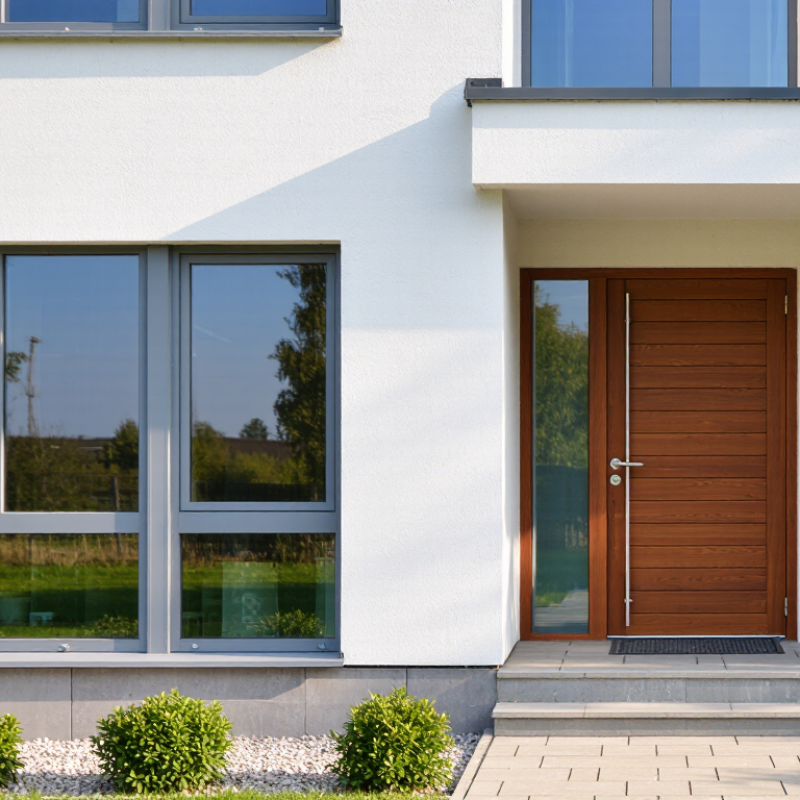
Define Your Needs, Budget, and Property Requirements
How to Choose the Right Windows and Doors?
Choosing windows and doors starts with your daily needs, not a showroom display. Consider sunlight, noise, ventilation, security, and how often each opening is used. A south-facing room may need solar-control glazing, while a street-facing bedroom may benefit from laminated glass and tighter seals. Measure carefully, but do not rely on rough estimates. A professional site inspection can reveal uneven walls, moisture damage, or difficult access.
Tips: Write down each room’s priorities before requesting quotes. Set a complete budget, including installation, trim, disposal, and future maintenance. Leave a small reserve for unexpected repairs. Cheap products can become expensive when poor fitting causes drafts or water entry. I once underestimated installation costs on a renovation, and the final adjustment affected other work. That mistake changed how I compare quotes.
Property requirements also shape the decision. Older homes may need custom sizes, careful frame removal, or conservation approval. New construction requires coordination with wall depth, drainage, and insulation details. Ask for performance information, including thermal ratings, air leakage, glass type, and warranty conditions. Check local building requirements before ordering. A design can look excellent but still perform poorly if it ignores the building’s orientation or climate. Test sample handles and inspect opening paths; small daily inconveniences are easy to overlook.
How to Choose the Right Windows and Doors? - Define Your Needs, Budget, and Property Requirements
| Decision Dimension | Property or Household Requirement | Recommended Specification | Typical Planning Data | Why It Matters |
|---|---|---|---|---|
| Primary Objective | Reduce heating and cooling demand | Choose insulated frames and low-emissivity double or triple glazing | Double glazing commonly uses two panes; triple glazing uses three panes with insulating spaces between them | More glazing layers generally improve insulation, although cost and weight also increase |
| Energy Performance | Cold climate or high winter heating use | Prioritize a low whole-window U-factor | Lower U-factor means less heat transfer; high-performance windows may achieve approximately 0.20–0.30 Btu/(h·ft²·°F), depending on the product and test method | A lower U-factor helps retain indoor heat during cold weather |
| Solar Heat Control | Sunny rooms, hot summers, or west-facing windows | Select glazing with a suitable Solar Heat Gain Coefficient (SHGC) | SHGC ranges from 0 to 1; a lower value admits less solar heat | Lower SHGC can reduce summer cooling loads, while a higher SHGC may be useful for passive solar heating in cold climates |
| Natural Light | Dark rooms or a preference for daylight | Use larger glazed areas while balancing solar gain, glare, privacy, and insulation | Visible Transmittance (VT) is rated from 0 to 1; higher VT generally allows more daylight indoors | VT helps compare the amount of visible light transmitted through glazing |
| Noise Reduction | Property near traffic, railways, airports, or busy streets | Consider laminated glass, different pane thicknesses, and well-sealed frames | Compare Sound Transmission Class (STC) or Outdoor-Indoor Transmission Class (OITC) ratings where available | Higher acoustic ratings generally indicate better reduction of airborne outdoor noise |
| Weather Exposure | Heavy rain, strong wind, coastal conditions, or severe weather | Choose products tested for air leakage, water resistance, and structural performance | Review product ratings for air leakage, water penetration, and design pressure; required levels depend on local conditions and building codes | Performance testing helps reduce drafts, leaks, and weather-related damage |
| Frame Material | Balance of price, durability, appearance, and maintenance | Compare vinyl, wood, aluminum, fiberglass, and composite frames by the complete window performance | Wood requires periodic maintenance; aluminum is strong and slim but may need thermal breaks; vinyl and fiberglass generally require less routine maintenance | Frame properties affect insulation, durability, visual style, and long-term upkeep |
| Opening Configuration | Need for ventilation, easy cleaning, or compact operation | Use casement or awning styles for directed ventilation; sliding or single-hung styles where space is limited | Operable styles usually provide ventilation; fixed units generally have fewer moving parts and can offer strong air-tightness | The opening type influences airflow, cleaning access, maintenance, and usable interior space |
| Entry Door Security | Higher protection for the main entrance | Specify a solid or reinforced door slab, strong frame, quality deadbolt, and reinforced strike area | Security depends on the complete door assembly, including the slab, frame, hinges, locks, and installation | A strong lock cannot compensate for a weak frame or poorly secured installation |
| Accessibility | Children, older adults, wheelchair users, or frequent moving of furniture | Consider low thresholds, suitable clear opening width, lever hardware, and easy-to-operate handles | Door clearances and threshold requirements vary by local accessibility standards and building type | Planning for accessibility improves safety, comfort, and long-term usability |
| Budget Allocation | Limited budget or staged renovation | Prioritize poor-performing, damaged, or moisture-prone units first | Total project cost includes products, removal, disposal, flashing, labor, interior repairs, exterior trim, and permits where required | Installation and surrounding repairs can significantly affect the final cost |
| Installation Quality | Replacement in an existing opening | Use trained installers and require proper shimming, flashing, sealing, and drainage details | A high-performing product can lose efficiency or develop leaks if it is incorrectly sized or installed | Installation determines how well the unit performs within the actual wall assembly |
| Code and Site Requirements | New construction, renovation, or a property in a regulated area | Confirm local energy, egress, safety-glazing, fire, structural, and historic-preservation requirements | Requirements vary by jurisdiction, climate zone, occupancy, opening size, and building location | Compliance can affect product selection, dimensions, permits, and installation methods |
Planning note: Performance values and code requirements vary by climate, product configuration, test method, and jurisdiction. Confirm final specifications with local building authorities and qualified installers.
Related Posts
-
How to Choose Windows and Doors in Ottawa?
-
How to Choose the Best Windows and Doors in Edmonton?
-
How to Choose the Best Windows and Doors in Ottawa for Your Home in 2025
-
2026 Best Windows and Doors for Your Home Upgrade Options?
-

Why Choose Single Pane Windows at the 139th Canton Fair?
-
2026 Best Exterior Patio Doors for Your Home Upgrade?