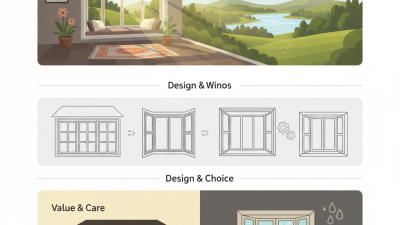
What is Retrofit Windows and How to Choose the Best Option?
Retrofit windows are a practical solution for homeowners seeking to improve their properties without a full renovation. These windows are designed to fit within existing frames, making installation simpler and more cost-effective. However, choosing the right retrofit windows can be challenging. Each home has unique needs and styles that should guide the selection process.
When considering retrofit windows, it’s essential to evaluate factors such as energy efficiency, material, and style. Energy-efficient windows can significantly reduce heating and cooling costs. Materials range from vinyl to wood, each offering different levels of insulation and maintenance. Aesthetics also play a crucial role; the chosen windows should complement your home’s architecture.
Many homeowners overlook important details during selection. For instance, proper measurements are vital for ensuring a snug fit. Without accurate dimensions, you might face gaps that could lead to energy loss. Reflecting on past experiences can help refine your choices. Thus, understanding retrofit windows requires a careful balance of style, function, and practicality.
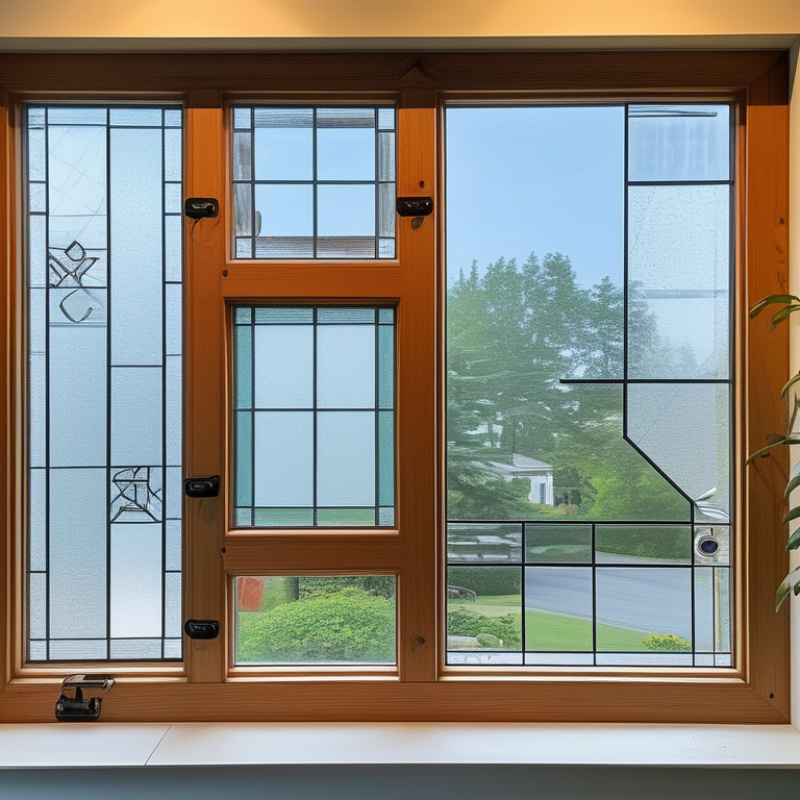
What Are Retrofit Windows: An Overview of Design and Purpose
Retrofit windows are a popular solution for enhancing the energy efficiency of existing homes. These windows are designed to fit within the framework of your old windows, making installation relatively straightforward. According to recent industry data, retrofitting can reduce energy costs by up to 15%, which signifies a significant return on investment for homeowners. They provide not just a functional improvement but also an aesthetic upgrade, aligning modern design with older homes.
The purpose of retrofit windows extends beyond mere energy efficiency. They enhance comfort by minimizing drafts and reducing noise pollution—two factors that often plague older homes. A report from the National Fenestration Rating Council states that well-installed retrofitted windows can achieve performance levels comparable to newly installed models. However, it is essential to consider the quality of materials and installation method, as these factors can greatly impact the overall effectiveness.
While the benefits are clear, choosing the right retrofit windows requires careful consideration. Homeowners should assess their specific needs, including climate and current window conditions. Preferences for style and maintenance can also influence the decision. Notably, there is a growing concern about the environmental impact of window production. Therefore, a sustainable choice involves not just the immediate benefits but the lifecycle impact of the windows. Balancing these factors is crucial for making an informed decision.
Benefits of Installing Retrofit Windows Compared to Traditional Options
Retrofit windows offer a modern solution that significantly improves energy efficiency. According to the U.S. Department of Energy, upgrading to retrofit windows can reduce energy bills by up to 15%. These windows are designed to fit into existing frames, minimizing installation time and cost. Many homeowners appreciate that they can enhance their home's aesthetics without major renovations.
One standout benefit is improved insulation. Retrofit windows often feature advanced glazing techniques. These help maintain consistent indoor temperatures. A study by the Lawrence Berkeley National Laboratory found that high-performance windows can save between $100 and $500 annually in heating and cooling costs, depending on the location and existing window condition.
When choosing retrofit windows, consider materials and energy ratings. Vinyl frames are durable and require less maintenance. Additionally, look for windows with low emissivity (Low-E) coatings to enhance energy efficiency. Regular inspections are key; even high-quality retrofit windows need care to ensure optimal performance and lifespan. Choosing the right option can lead to long-term savings and comfort.
Key Factors to Consider When Choosing Retrofit Windows for Your Home
When considering retrofit windows for your home, several key factors come into play. Energy efficiency is paramount. Studies indicate that upgrading to energy-efficient windows can lead to a 15-30% reduction in heating and cooling costs. Look for windows with a low U-factor and high Solar Heat Gain Coefficient (SHGC). These metrics inform you about insulation capability and sunlight penetration, essential for maintaining comfort and lowering energy bills.
Next, consider the materials used in retrofitting. Vinyl, wood, and fiberglass each offer distinct advantages. Vinyl windows are often praised for their durability and low maintenance, while wood provides excellent insulation and aesthetic appeal. However, wood may require more upkeep. Industry reports highlight that, on average, homeowners recoup about 80% of their investment in new windows when they sell their homes. This factor underscores the lasting value of mindful retrofitting choices.
Finally, be aware of installation quality. Proper installation is critical for performance. Poorly installed windows can result in air leaks and moisture problems. According to the Window and Door Manufacturers Association, nearly 70% of window failures are due to installation errors. Engaging experienced professionals for installation can mitigate these risks and enhance the overall effectiveness of your retrofit windows.
Types of Retrofit Windows: Understanding Materials and Styles Available
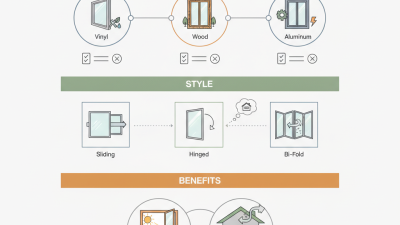
When considering retrofit windows, understanding the materials and styles can significantly influence your decision. Retrofit windows typically come in a variety of materials such as vinyl, wood, aluminum, and fiberglass. Vinyl is popular for its durability and low maintenance. However, wood offers a classic aesthetic but requires more upkeep. Each material has its own benefits and drawbacks. For instance, while aluminum is sleek and modern, it may not provide the same insulation as other options.
Styles of retrofit windows also play a crucial role in your choice. Common styles include slider, double-hung, and casement windows. Slider windows are easy to open but may not provide maximum airflow. Double-hung windows, with their two operable sashes, allow for good ventilation. Meanwhile, casement windows can pivot open to the side, offering excellent air flow but requiring clear space on the exterior. It's essential to assess the architectural style of your home when selecting windows. Not all styles will blend seamlessly with every building design.
Reflecting on your needs is vital. Consider the climate in your area, energy efficiency preferences, and overall aesthetic goals. Sometimes, homeowners get distracted by trendy options. Yet, the best choice is one that balances style and functionality. Weighing your priorities can lead to a more satisfying decision in the long run.
Installation Process for Retrofit Windows: What to Expect and Prepare
When considering retrofit windows, understanding the installation process is crucial. Homeowners often expect a quick job, but installing retrofit windows can be more involved. Proper planning is essential to avoid common pitfalls, such as inaccurate measurements or poor sealing. Industry reports suggest that poorly installed windows can lead to a 25% increase in energy costs due to air leaks. This data stresses the importance of hiring skilled professionals for installation.
Preparing your home for retrofit windows means assessing your existing frames. Most installations require the existing frame to stay intact. This method conserves materials and labor costs but can lead to complications if frames are damaged. According to the Department of Energy, choosing the right window style can enhance energy efficiency by up to 30%. Consider your local climate and insulation needs. Depending on the time of year, installation conditions can vary. When choosing a contractor, review their credentials and past work to ensure reliability. This diligence helps avoid future headaches related to ineffective installations or subpar materials.