Top 10 Benefits of Retrofit Windows for Global Buyers?
In recent years, retrofit windows have gained significant attention from global buyers. These windows offer an effective solution for improving energy efficiency in existing buildings. They provide a modern upgrade while preserving the home’s original character. As energy costs rise, more homeowners consider retrofit windows for their long-term benefits.
The appeal of retrofit windows lies in their ability to increase comfort and reduce noise pollution. They seamlessly fit into existing frames, minimizing installation hassle. Many buyers appreciate the potential for lower energy bills due to improved insulation. However, not all retrofit windows are created equal. It is crucial for buyers to research their options.
Investing in retrofit windows can elevate property value. Yet, some homeowners may overlook the importance of quality materials. Proper installation is essential for maximizing benefits. Potential issues like condensation and seal failures can occur if not handled correctly. As interest in retrofit windows grows, informed decisions become vital for lasting satisfaction.
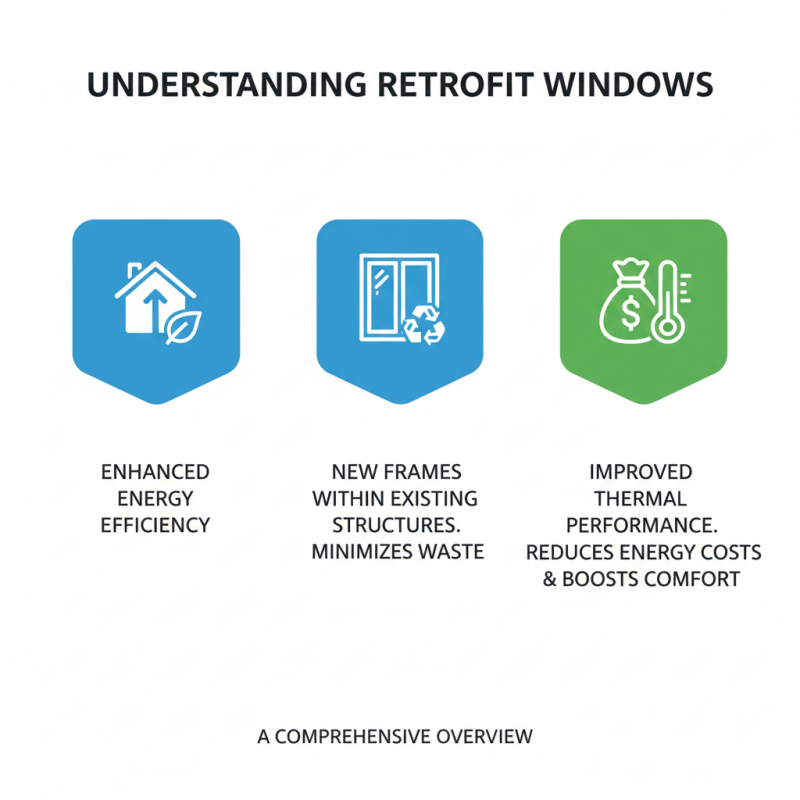
Understanding Retrofit Windows: A Comprehensive Overview
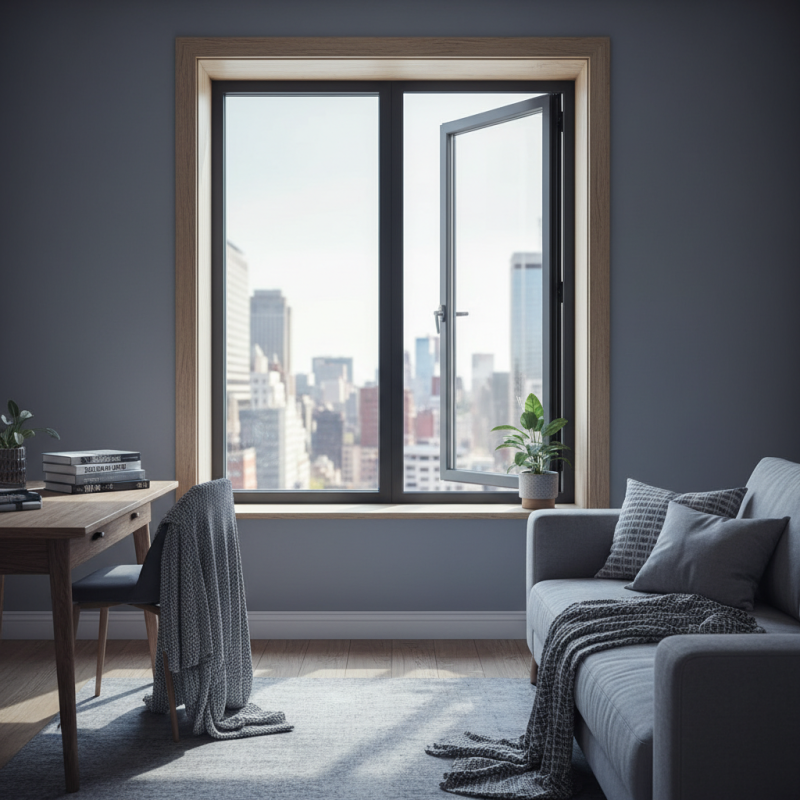
Retrofit windows are an innovative solution for enhancing the energy efficiency of homes. They involve installing new window frames and sashes within existing structures. This method minimizes waste and can significantly improve the thermal performance of buildings. Many homeowners find that upgrading their windows not only boosts comfort but also reduces energy costs in the long term.
**Tips:** Consider your local climate when choosing retrofit windows. Certain window types perform better in specific weather conditions. Researching energy ratings can help narrow down your options.
Another benefit of retrofit windows is their potential to enhance aesthetic appeal. With a range of designs and finishes available, homeowners can customize their space while increasing property value. However, not every retrofitting project will provide the same results. Some older structures may require additional modifications, which can add to the overall cost.
**Tips:** Consulting with professionals can help clarify the expected outcomes. Be prepared for possible surprises during installation, as older frames may hide issues. Regular maintenance is essential to maximize the lifespan of your new windows.
Energy Efficiency: How Retrofit Windows Save on Utility Bills
Retrofitting windows can dramatically improve energy efficiency in homes. In fact, studies show that homeowners can save up to 30% on heating and cooling costs after installing retrofit windows. This is significant considering that heating and cooling account for nearly 50% of household energy consumption in many regions. By minimizing air leakage and enhancing insulation, these windows contribute to a more stable indoor climate.
Moreover, energy-efficient windows often feature double or triple glazing, which boosts thermal performance. According to the U.S. Department of Energy, using low-emissivity (Low-E) glass can cut energy loss by 30% to 50%. This not only saves money but also reduces dependence on non-renewable energy sources. As energy prices continue to rise, the value of investing in retrofit windows becomes clear.
However, not all retrofit solutions are created equal. It's essential to choose certified windows that meet local energy efficiency standards. The installation process also plays a crucial role in performance. Improper installation can lead to gaps, where air can escape. Homeowners must ensure that the installers are experienced and reputable to maximize energy savings. Without this careful consideration, the anticipated savings may never materialize.
Enhanced Comfort: Improved Insulation and Temperature Stability
Retrofit windows provide enhanced comfort through improved insulation and temperature stability. Studies show that installing these windows can reduce energy costs by up to 30%. They effectively minimize heat transfer, leading to a more consistent indoor temperature. This is crucial, especially in regions where climate varies significantly throughout the year.
The U.S. Department of Energy reports that retrofitting windows can lead to substantial energy savings. By using high-performance glass and advanced frames, homes can maintain their desired temperature more efficiently. Energy-efficient windows help reduce the workload on heating and cooling systems, which can prolong their lifespan.
Tips: Choose windows with a low U-factor for better insulation. Consider the solar heat gain coefficient (SHGC) to manage heat from sunlight. Assess your home’s unique needs and local climate for optimal selection. Reflections on your current windows might reveal drafts or cold spots, indicating a need for improvement. Upgrading could yield significant benefits, both financially and comfort-wise.
Top 10 Benefits of Retrofit Windows for Global Buyers
This chart represents the top 10 benefits of retrofit windows, highlighting their impact in terms of percentage effectiveness. Enhanced comfort through improved insulation and temperature stability is just one of the many advantages these windows provide.
Aesthetic Appeal: Modernizing Your Home with Stylish Window Options
Retrofit windows significantly enhance the aesthetic appeal of homes. Homeowners can choose from various modern designs that align with their personal style. According to a report by the American Window and Door Institute, upgrading to contemporary window options can raise a home's market value by up to 15%. This is a powerful incentive for many global buyers.
Many retrofit windows come with improved energy efficiency, contributing to a sleek appearance that also whispers sophistication. Adding double or triple-pane windows can minimize external noise and provide a tranquil indoor environment. Yet, even within this attractive option, some homeowners may find color and style choices overwhelming. They may struggle to coordinate their new windows with existing architectural elements.
Homeowners should also consider the potential environmental impact. A 2022 study from the Energy Institute highlighted that using retrofitted, energy-efficient windows can reduce a house's carbon footprint by 15%. While the prospects are exciting, selecting the right materials and styles requires careful thought. Buyers should weigh the pros and cons, evaluating not just immediate visual appeal but long-term environmental responsibilities.
Cost-Effectiveness: Balancing Initial Investment with Long-Term Savings
Retrofitting windows can seem costly at first. However, this initial investment often pays off over time. Modern retrofit windows are designed for energy efficiency. They can significantly reduce heating and cooling costs in your home. With better insulation, you save on utility bills. This long-term savings can outweigh the upfront expenses.
Consider the lifespan of new windows. Quality materials can last decades. This durability means fewer replacements over time. If you factor in these savings, the cost becomes more acceptable. Yet, it's important to choose wisely. Not all retrofitting projects yield the same benefits. Some installations may not fit the home style. Poor installation can lead to inefficiencies. Therefore, do your research before making a decision.
Homeowners should weigh the benefits and drawbacks. While the initial cost can be daunting, the financial aspect becomes clearer with time. Energy-efficient windows offer not just savings but added comfort. However, the decision must be well-informed. Consult with experts and gather multiple estimates. Making an informed choice ensures you achieve true value.