Top 5 Tips for Choosing Fiberboard Medium Density Board?
Choosing the right Fiberboard Medium Density Board can be challenging. This material is essential for various applications, from furniture to construction. Understanding the key factors is crucial for making an informed decision.
Fiberboard Medium Density Board offers a balance of strength and affordability. It is commonly used for cabinetry, shelving, and even decorative panels. However, not all boards are equal. Variations in quality can significantly impact durability and appearance.
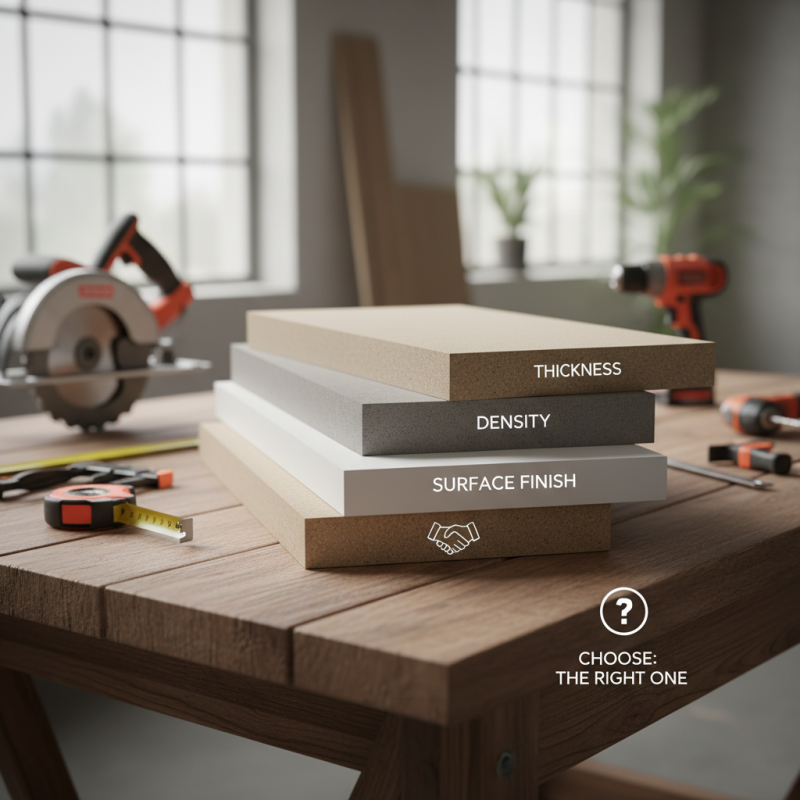
Paying attention to details is vital. Consider the thickness, density, and surface finish. Each aspect affects performance and suitability for your project. Additionally, think about the manufacturer’s reputation. Reliable brands often provide better quality assurance. Being mindful of these factors can help avoid costly mistakes.
Understanding Medium Density Fiberboard (MDF) and Its Uses
Medium Density Fiberboard (MDF) is a versatile material widely used in furniture and cabinetry. Made from wood fibers, resin, and wax, MDF offers a smooth surface for painting and veneering. Its density falls between particleboard and plywood. This quality makes it a popular choice for DIY projects and home renovations. Understanding its properties can enhance the decision-making process when purchasing MDF.
MDF is prized for its consistency and stability. It does not warp or crack as solid wood might. However, the material can swell when exposed to moisture, which is crucial to consider for bathroom and kitchen applications. Non-ventilated areas may cause issues over time. While MDF is easy to work with, dust generated during cutting should not be underestimated. A proper mask and ventilation are essential to ensure safety.
Choosing the right MDF involves looking at its density, thickness, and intended use. Thicker boards provide more stability but may be heavier. For projects needing fine details, a denser board can offer a smoother finish. Always inspect the edges to ensure there are no voids that could affect the overall strength. While MDF has many strengths, recognizing its limitations leads to better outcomes.
Comparison of Medium Density Fiberboard (MDF) Properties
This chart provides a visual comparison of key properties of Medium Density Fiberboard (MDF). The values represent the density, moisture resistance, flexural strength, cost per square meter, and common applications, which are critical factors to consider when selecting MDF for various projects.
Key Factors to Consider When Choosing Fiberboard MDF
When selecting fiberboard medium density board (MDF), it's vital to consider several key factors. One significant element is the density of the board. A higher density usually means greater strength and durability. Check how the board feels when you knock on it. A solid sound indicates good density.
Another crucial aspect is moisture resistance. MDF can absorb water, leading to swelling. Some boards come with improved moisture resistance. Look for these options if your project involves humid environments.
Finishing options also matter. The surface of the MDF can affect how well paint or veneer adheres. Smooth finishes typically provide better results. However, not all boards offer the same finishing quality. Take time to inspect samples. Be aware that not every choice will meet all your needs perfectly. Reflection on long-term use is essential.
Evaluating Density and Thickness for Your Project Needs
When selecting medium density fiberboard (MDF), understanding density and thickness is crucial. The density of MDF typically ranges from 600 to 800 kg/m³. A higher density means stronger and more durable boards. This is essential if your project requires sturdy furniture or cabinetry. However, denser boards can be more challenging to work with, leading to fatigue during cutting. Ensure you weigh the convenience of handling against the board’s strength.
Thickness also plays a key role in your project’s success. Standard MDF thicknesses vary from 3 mm to 25 mm. Thinner boards are lighter but may lack stability. They can sag under weight. Thicker boards offer enhanced durability, particularly for shelving. However, heavier boards require more robust supports. It’s important to analyze how the thickness affects the overall design and functionality.
While you may find that a one-size-fits-all approach is tempting, consider the specific demands of your project. Is the weight balanced correctly? Are the edges sealed to prevent moisture damage? These may seem like minor details, but they can significantly impact the longevity of your finished product. Careful evaluation of density and thickness will ensure your MDF choice meets your expectations.
Assessing Surface Finish and Aesthetic Options in MDF
When choosing medium density fiberboard (MDF), surface finish is crucial. A well-finished surface enhances the aesthetic appeal. It also affects how the board interacts with light, texture, and color. A smooth finish can add elegance, while a textured surface invites touch. Consider the overall design theme. High-gloss surfaces reflect light beautifully, creating a modern look. Matte finishes, on the other hand, offer a warm, subdued feel.
Aesthetic options are diverse in MDF. Colors range from natural wood tones to vibrant hues. This flexibility allows for customization in various settings. However, not all finishes perform equally. Some may age poorly or damage easily. Reflect on your use case. Will the board face heavy traffic or limited exposure? Choose wisely to ensure longevity. It's tempting to focus solely on appearance. Yet, balance beauty with practicality. Quality surface finish can elevate your projects, making them stand out. Assess options thoroughly before deciding.
Comparing Cost and Sustainability of Different MDF Brands
When comparing the cost and sustainability of different medium density fiberboard (MDF) brands, a few critical factors must be examined. The price of MDF varies significantly. For instance, a report from the Wood Products Council highlights that the cost can range from $30 to $70 per sheet, depending on thickness and quality. This means that selecting a cost-effective option can impact overall project budgets, especially for large-scale applications.
Sustainability is also a pressing concern. MDF is often made from wood fibers and resin. However, the source of these materials matters. In a study by the Forest Stewardship Council, it was found that MDF production from sustainably sourced wood reduces carbon footprint by 20–30% compared to non-sustainable options. Many brands are leaning towards eco-friendly practices, but not all can back these claims with valid certifications.
It's essential to scrutinize each brand's environmental practices. Some companies do not disclose their sourcing or production processes clearly. This lack of transparency can lead to challenges in evaluating their sustainability truly. Buyers should seek detailed information on emissions and waste management policies to ensure that they make informed decisions. Balancing cost and sustainability remains an ongoing journey for consumers and manufacturers alike.