2026 Top Tips for Preventing Ice Dams on Roofs
Winter brings beauty and challenges. Ice dams on roofs can cause severe damage if not addressed. Many homeowners experience leaks and mold due to these issues. Understanding ice dams is essential for effective prevention.
An ice dam forms when heat escapes from your home, causing snow on the roof to melt. This meltwater then refreezes at the eaves, creating a barrier. If left unchecked, water can seep into your home. Small steps can make a big difference in preventing damage.
Understanding your roof's structure can help. Insulation and ventilation play crucial roles. Check for drafts and ensure attics are properly insulated. Regular maintenance, like clearing gutters, is vital. It's about being proactive rather than reactive. Consider these tips for a safe, damage-free winter.
Understanding Ice Dams: Definition and Causes
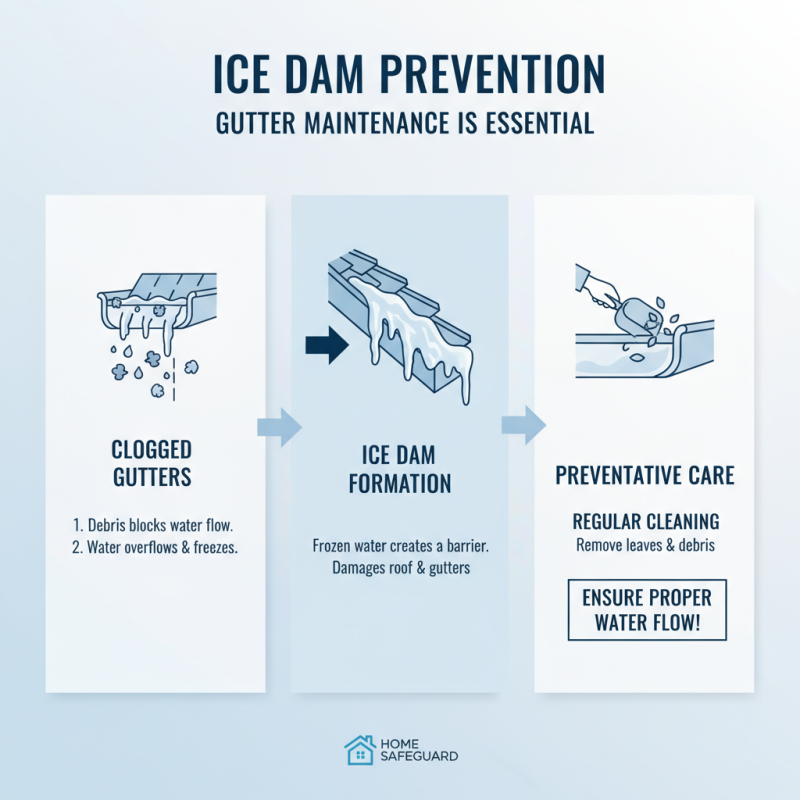
Ice dams can cause serious damage to roofs and homes. They form when heat escapes from the house into the attic. This heat melts snow on the roof. The melted water flows down until it reaches the eaves, where it refreezes. This cycle creates a barrier of ice. When more snow melts, water can back up under the shingles and leak into the home.
Understanding the conditions that lead to ice dams is essential. Poor insulation and ventilation in the attic often contribute. Inadequate insulation allows warm air to escape, which can raise roof temperatures. Without proper ventilation, heat accumulates, worsening the problem. Homeowners may notice icicles hanging from gutters; this is a warning sign. Regular maintenance checks can help identify these issues before they become severe.
It’s also important to reflect on past winters. Have you experienced ice dams before? Did you notice any leaks? Finding answers can guide prevention efforts. Taking small steps, like improving insulation, makes a difference. It’s all about creating a balance. Keep the warmth inside your home and maintain effective roof temperature to prevent ice formation. This involves continuous learning and adjustments.
2026 Top Tips for Preventing Ice Dams on Roofs
This chart illustrates the effectiveness of various methods in preventing ice dams on roofs. Proper insulation tops the list with 80% effectiveness, closely followed by ventilation at 70%. Other methods like maintaining gutters and using ice melt products also play significant roles in ice dam prevention.
Key Factors Contributing to Ice Dam Formation on Roofs
Ice dams can be a real headache for homeowners in winter. They form when snow melts off roofs but refreezes at the eaves. Several key factors contribute to this issue. Poor insulation is often a major culprit. If your attic isn’t well-insulated, heat escapes, causing snow to melt quickly.
Another significant factor is roof design. Roofs with a low pitch can trap more snow, which increases the chances of ice dam formation. Additionally, obstructed gutters prevent proper drainage. When gutters are blocked, water has nowhere to go but back onto the roof. This can lead to an accumulation of ice, causing potential damage.
Moisture is also a vital consideration. Inadequate ventilation can trap warm air in the attic, increasing snowmelt. However, simply improving ventilation isn’t enough. Homeowners often overlook the importance of regular maintenance. Are your gutters cleaned regularly? Investing time in upkeep can save you from costly repairs later. Not addressing these factors can lead to serious issues, like leaks or even roof collapse in extreme cases.
Effective Insulation Techniques to Prevent Ice Dams
Ice dams can be a homeowner's nightmare during winter months. They occur when snow melts on the roof due to heat loss and then refreezes at the eaves. This creates a dam of ice, leading to potential water damage inside the home. Effective insulation techniques can significantly reduce this risk.
Proper insulation in the attic is crucial. Use materials that meet recommended R-values. Insulating the attic floor keeps heat from escaping into the roof space. Furthermore, sealing air leaks around vents and ducts minimizes heat loss. Don’t ignore those small gaps. Those tiny holes can let a lot of warm air escape.
Ventilation plays an important role as well. Ensure that there is proper airflow in the attic. This helps maintain a consistent temperature throughout the roof. Ridge vents and soffit vents can work together to create a balanced system. If you find your attic is humid or poorly ventilated, it might be time for a reevaluation. Regular inspections can catch problems early. Addressing these issues before winter arrives can save you from costly repairs later.
2026 Top Tips for Preventing Ice Dams on Roofs - Effective Insulation Techniques to Prevent Ice Dams
| Tip |
Description |
Effectiveness |
Cost Estimate (USD) |
| Improve Attic Insulation |
Ensure your attic has adequate insulation to prevent warm air from escaping during winter. |
High |
$1,200 - $3,000 |
| Seal Air Leaks |
Use caulk and weatherstripping to seal gaps around windows, doors, and ducts. |
Medium |
$200 - $500 |
| Ventilate the Attic |
Ensure proper airflow in the attic with vents to lower temperatures and reduce ice accumulation. |
High |
$300 - $800 |
| Install a Roof Rake |
Use a roof rake to remove snow from the roof after a storm, which can mitigate ice dam formation. |
Medium |
$30 - $100 |
| Install Ice and Water Shield |
Add this material under roofing to provide extra protection against water infiltration. |
Very High |
$1,000 - $2,500 |
Professional Solutions: When to Call an Expert for Ice Dams
Ice dams can lead to serious damage to roofs and interiors. Homeowners often struggle with how to handle them. In many situations, it’s wise to call a professional. Experts know the specific requirements for safely removing ice. They use tools that can safely clear gutters. This minimizes risk to both you and your roof.
Sometimes, trying to tackle the issue yourself can lead to more problems. Climbing on roofs without experience is dangerous. If you notice significant ice buildup, seek professional help. They can also assess insulation issues. Proper insulation reduces future risks. Homeowners often overlook this important aspect.
Understanding your roof's drainage system is critical. A professional can give tailored advice based on your specific situation.