Top Windows and Siding Options for Global Buyers?
In the global market for construction materials, "windows and siding" have become focal points for homeowners and builders alike. According to a recent report by the Freedonia Group, windows and siding account for over $70 billion in annual sales. These products not only enhance aesthetics but also offer energy efficiency and durability. A well-chosen window or siding can reduce energy expenses by up to 30%, as noted by the U.S. Department of Energy.
Choosing the right windows and siding requires careful consideration of multiple factors. Trends indicate a growing preference for sustainable materials. Vinyl siding, for instance, has gained popularity due to its affordability and low maintenance. Notably, wood windows sometimes struggle with durability in adverse weather, leading to increased repair costs over time.
Homeowners must also reflect on the long-term implications of their choices. The installation of high-quality products can lead to higher property values. However, initial costs can be a barrier for many. Buyers must weigh these factors to make informed decisions. Balancing cost, sustainability, and aesthetic appeal is vital in this evolving industry.
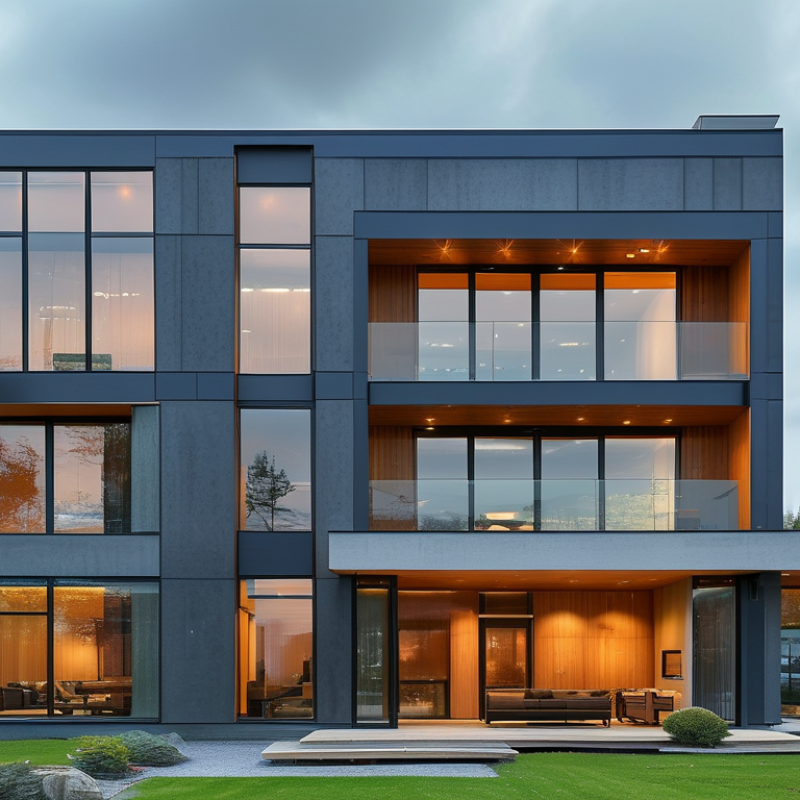
Top Material Choices: Vinyl, Wood, and Fiberglass Windows and Siding
When choosing windows and siding, material matters. Vinyl, wood, and fiberglass are top contenders. Each has unique benefits and drawbacks that can affect longevity, maintenance, and aesthetics. Let’s dive into these options to help global buyers make informed choices.
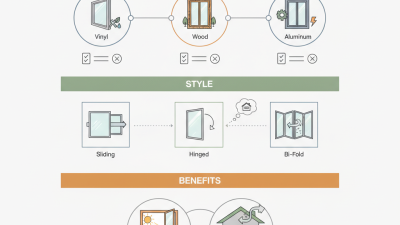
Vinyl windows are popular for their affordability and low maintenance. They resist fading and don’t require painting. However, extreme temperatures can cause warping. Wood windows offer a classic beauty that many homeowners love. They can be customized easily but require regular maintenance to prevent rot and insect damage. Fiberglass is known for its strength and energy efficiency. It resists warping and fading, making it durable in various climates. Yet, it can come with a higher upfront cost.
Selecting the right siding material is equally crucial. Vinyl siding is a cost-effective choice, available in many colors. It needs minimal upkeep but can crack in harsh conditions. Wood siding adds charm and can improve a home’s resale value. On the flip side, it demands consistent care to maintain its beauty. Fiberglass siding stands out for its resilience and variety of styles, but it may not be within everyone’s budget. Buyers must weigh these details carefully to avoid costly mistakes later on.
Energy Efficiency Ratings: Understanding U-Factors and Solar Heat Gains
Understanding energy efficiency ratings is crucial for homeowners. The U-factor and solar heat gain coefficients (SHGC) provide insights into a window's performance. The U-factor measures insulation quality. A lower U-value indicates better insulation. This translates to lower energy costs, making homes more comfortable year-round.
Solar heat gain is another key factor. It gauges how much heat from the sun enters through a window. A higher SHGC can be advantageous in colder climates, as it allows natural heating. However, excessive heat gain can lead to discomfort and increased cooling costs in hotter regions. Choosing the right balance is essential.
It's important to analyze local climate conditions before making decisions. Different areas will require different window characteristics. Experimenting with these factors can lead to unexpected trade-offs, which may necessitate compromises. Homeowners should be prepared for adjustments and ongoing evaluations for optimal energy efficiency.
Cost Analysis: Average Pricing for Windows and Siding in Different Markets
When exploring windows and siding options globally, buyers face varying costs. In North America, for instance, vinyl siding remains popular due to its affordability. The average price ranges from $3 to $7 per square foot. This is typically more economical than wood siding, which can cost between $6 and $12 per square foot. Each choice has its own aesthetic and durability, factors buyers must weigh carefully.
In Europe, prices can differ significantly. Wooden options often dominate, but are pricier. Expect to pay around €50 to €150 per square meter for quality wood siding. Vinyl alternatives exist but are less favored, costing about €30 to €80 per square meter. Many buyers prefer wood for its classic appeal, even as they recognize maintenance challenges.
Buyers in Asia encounter a different landscape. Options vary widely, especially in urban areas. Energy-efficient windows command attention. Costs for these can be high, sometimes exceeding $500 per window installed. This investment pays off in reduced energy bills over time. The decision-making process can get complicated. Budget constraints, aesthetic preferences, and regulatory standards all come into play.
Global Trends: Preferred Styles and Materials Across Various Regions
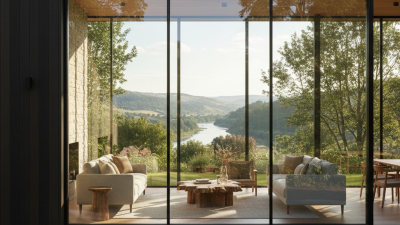
When exploring global trends in windows and siding, preferences vary significantly across regions. In North America, wood and vinyl siding dominate due to their durability and aesthetic appeal. Another report highlights that around 70% of homeowners prefer energy-efficient windows, which align with growing environmental concerns. Meanwhile, European buyers lean towards aluminum and composite materials, valuing modern styles. A survey indicated that approximately 65% of Europeans prioritize sustainability in their building materials.
In Asia, the trend shifts towards minimalistic designs, emphasizing large glass windows that naturally light interiors. A notable statistic shows that 60% of Asian homeowners consider architectural functionality when selecting materials. This trend highlights how cultural aesthetics influence preferences. While diverse choices exist, some buyers may overlook long-term maintenance costs. Choosing trendy options without understanding upkeep can lead to dissatisfaction down the road.
Tips: Always research local climate impacts on material performance. Balance style with functionality. Ensure that maintenance requirements fit your lifestyle before making decisions. Being aware of these factors can lead to better investments in your property.
Top Windows and Siding Options for Global Buyers
| Region |
Preferred Window Style |
Common Siding Material |
Energy Efficiency Rating |
Durability Rating |
| North America |
Double-Hung |
Vinyl |
A |
High |
| Europe |
Casement |
Wood |
A++ |
Medium |
| Asia |
Sliding |
Aluminum |
B |
Low |
| Australia |
Awning |
Fiber Cement |
A |
High |
| South America |
Fixed |
Stucco |
C |
Medium |
Installation and Maintenance: Best Practices for Longevity and Performance
When considering installation and maintenance of windows and siding, several best practices ensure longevity and performance. Regular inspections are crucial. Research indicates that neglecting maintenance can reduce the lifespan of siding by 30%. Homeowners must check for moisture, rot, and other damage. Early detection leads to more affordable repairs.
Proper installation plays a vital role in overall performance. Incorrectly installed windows can lead to air leaks, which waste energy and increase heating costs. According to industry reports, windows account for approximately 25-30% of residential energy use. Seeking professional help is advisable. They understand local building codes and weather conditions, providing tailored solutions.
Maintenance requires a commitment. Cleaning siding and windows regularly helps prevent mold and mildew, prolonging their life. It is recommended to use gentle, non-abrasive cleaners. For windows, check seals and frames for cracks. Small imperfections can lead to significant issues if ignored. Investing time in maintenance can yield substantial savings in replacements and energy costs.