China Best Windows and Doors for Ottawa Buyers?
Choosing the right windows and doors ottawa homeowners need requires more than comparing attractive photos and advertised prices. Ottawa experiences bitter winters, humid summers, strong winds, and sudden temperature changes. These conditions can expose weak frames, poor seals, and careless installation within one season.
A dependable product should match the home’s age, structure, orientation, and ventilation needs. Energy ratings matter, but they do not tell the entire story. Low-E glass, insulated frames, multi-point locks, and quality weatherstripping can improve comfort near a cold living-room window. Small gaps matter. A well-rated window can still perform poorly when installers leave uneven shims or unfinished foam around the frame.
This guide examines materials, glazing options, security features, maintenance, warranties, and installation standards for Ottawa buyers. It also considers Canadian climate performance rather than relying on generic international claims. Experienced contractors should explain drainage paths, rough-opening measurements, and expected installation times before accepting a deposit. Their answers should be specific, documented, and easy to verify.
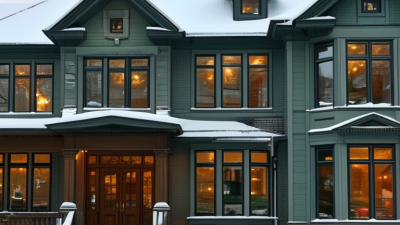
Not every premium product suits every property. A heritage house may need different proportions than a modern townhouse. A basement window may prioritize emergency egress, while a front door may focus on security and weather resistance. That distinction is often overlooked. Prices can also change with custom sizes, brick openings, trim, disposal, and interior repairs. Homeowners should request itemized quotes and confirm warranty coverage in writing. Even careful advice has limits without an on-site inspection, so readers should compare professional assessments before making a final decision.

Ottawa’s Climate and Building Needs for Windows and Doors
Ottawa’s Climate and Building Needs for Windows and Doors
Ottawa brings cold winters, wind-driven snow, summer humidity, and repeated freeze-thaw cycles. Natural Resources Canada reports that windows, doors, and skylights can account for up to 35% of a home’s heat loss. This makes U-factor important, but it is not the whole decision. A well-rated window can still perform poorly when installation leaves gaps around the frame.
For Ottawa homes, buyers should compare U-factor, Energy Rating, solar heat gain coefficient, and air leakage. Lower U-factor generally means better insulation. Energy Rating combines heat loss, solar gain, and air leakage into one performance measure. The CSA A440.2 standard provides a Canadian method for evaluating these ratings. Triple glazing, low-emissivity coatings, warm-edge spacers, and insulated frames can improve winter comfort near the glass.
Installation deserves equal attention. Ottawa’s snow can collect against a poorly detailed sill. Flashing, drainage paths, and airtight back-sealing help protect the wall assembly. Doors also need adjustable weatherstripping and a thermally improved threshold. Canadian building guidance emphasizes controlling air, water, and vapour movement. That detail is easy to overlook.
One caution remains. More glass is not automatically better. Large units may increase solar gain, weight, and installation risk. Buyers should request verified test reports, Canadian compliance information, and project-specific installation details. A cheaper quotation may hide those missing steps.
Key Materials and Designs for Energy-Efficient Performance
China Best Windows and Doors for Ottawa Buyers?
Ottawa homes face freezing winters, wind, snow, and sharp temperature changes. Energy-efficient windows need more than attractive frames. Triple glazing can reduce heat loss, especially on north-facing elevations. However, it adds weight, cost, and installation demands. It is not automatically the best choice for every room. Low-emissivity glass reflects indoor heat back inside, while argon-filled cavities improve insulation. Warm-edge spacers can reduce cold lines around the glass. Small details matter.
Frame material also affects performance. Fiberglass offers strength and limited expansion during temperature changes. uPVC provides good insulation and usually needs little maintenance. Wood interiors feel warm, but they require careful sealing and periodic attention. Composite frames can balance appearance and durability.
Look for tested U-values, air-leakage ratings, and solar heat-gain information, not vague claims. Ottawa buyers should also inspect drainage paths, locking points, and corner welds. A strong product can still fail after poor installation. Check the opening, flashing, and insulation around the frame.
There is no perfect window.
A qualified installer should confirm wall thickness, ventilation needs, and local code requirements. Oversized glass may improve daylight but can increase summer heat. South-facing windows may need shading, even in a cold climate. Manufacturer documentation, independent test results, and a clear warranty offer better evidence than showroom language. Some choices remain imperfect, but honest performance data makes them easier to evaluate.
Installation, Maintenance, and Warranty Considerations
China Best Windows and Doors for Ottawa Buyers?
Ottawa buyers should judge installation before comparing frame colors or glass packages. Natural Resources Canada reports that windows and doors can account for up to 35% of a home’s heat loss. Poor fitting can increase drafts, condensation, and heating costs. A qualified installer should measure the rough opening twice, inspect the sill, and document drainage paths. Canadian Standard Association A440.4 provides recognized guidance for window and door installation. Ask whether the crew follows it.
Maintenance is equally practical. Ottawa’s freeze-thaw cycles can expose weak seals quickly. Inspect weatherstripping each autumn. Clean drainage channels before winter. Check exterior caulking after severe temperature changes.
The National Fenestration Rating Council explains that U-factor measures heat transfer, while air leakage ratings indicate draft resistance. These numbers matter more than attractive sales language.
Still, ratings alone cannot correct careless installation. That is an uncomfortable point, but buyers often overlook it.
Tips:
Request a written warranty covering glass, hardware, frame, labor, and water intrusion. Confirm who handles claims after installation. A long warranty may exclude labor or improper maintenance. Keep photographs of the opening before installation and copies of every service record. Ask for local references, but inspect them critically. One successful project proves little. A small installation mistake can become expensive by February.
Choosing the Right Windows and Doors for Ottawa Homes
China Best Windows and Doors for Ottawa Buyers?
Choosing the Right Windows and Doors for Ottawa Homes
Ottawa homes face deep winter cold, summer humidity, snow, and repeated freeze-thaw cycles. The best windows and doors must handle all four conditions. Look beyond appearance and price. Check the U-factor, air leakage rating, water resistance, and frame performance. Lower U-factors usually indicate better insulation. Cold air exposes weaknesses.
For products manufactured in China, request complete technical documents before ordering. Ask for test reports, installation instructions, warranty terms, and evidence of compliance with applicable Canadian requirements. Confirm that measurements match the rough openings in your home. A beautiful door can still fail if its threshold sits poorly against melting snow. Small gaps matter.
An experienced installer should understand Ottawa’s drainage, flashing, insulation, and condensation risks. Proper installation often affects comfort more than a minor difference in glass design. Triple glazing may improve winter performance, but it can also increase weight and cost. Check hardware strength before choosing oversized panels. I would not select a supplier from photographs alone. Samples can look excellent while seals or corner joints receive less attention. Ask how replacement parts are handled locally. Also, allow time for shipping delays and seasonal installation limits. Even careful buyers can overlook the transition between the frame and the wall. That detail deserves a second inspection.